 how-to
How to Understand the Used Car Trade-In Process
Table of Contents
- What Happens During the Used Car Trade-In Process
- What Is a Fair Trade-In Value for Your Car
- Documents and Prep You Need Before the Appraisal
- Negotiating Car Trade-In Value Like a Pro
- Trading In a Car With a Loan or Negative Equity
- Digital Appraisal vs. In-Person Inspection
- Tax Credits and Your Post-Trade-In Checklist
- Frequently Asked Questions
Last Updated: October 2, 2026
What Happens During the Used Car Trade-In Process
The used car trade-in process is a simple swap: you hand the dealer your current vehicle, and they subtract its value from the price of your next one.
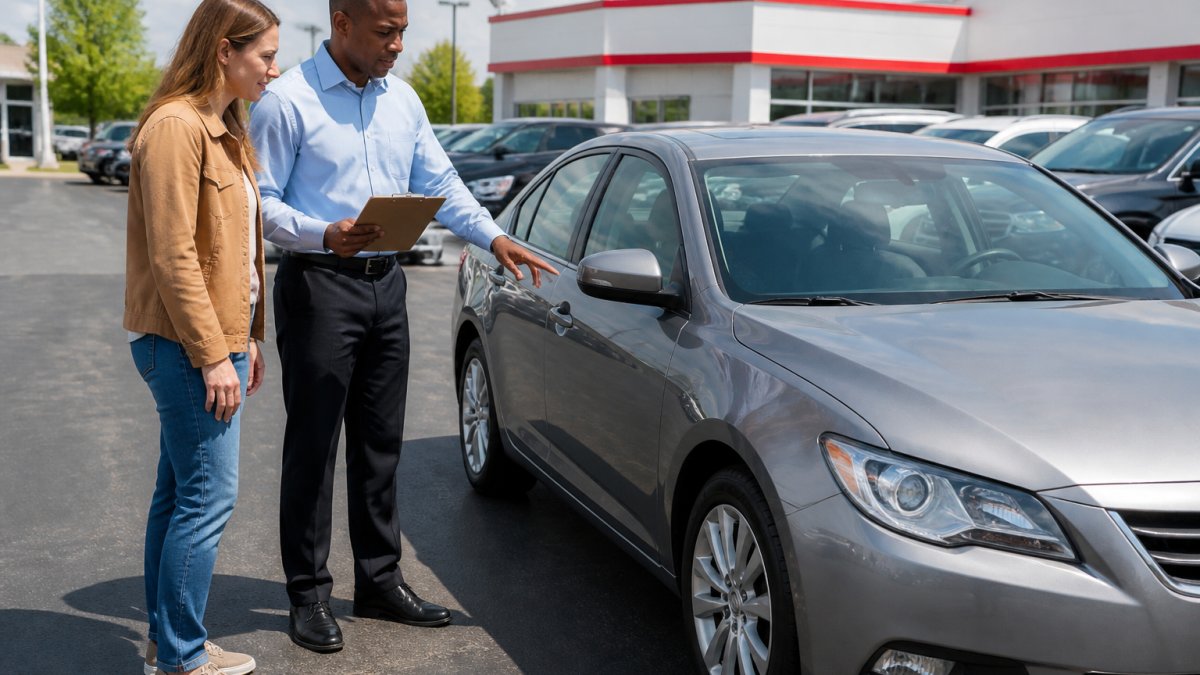
Here's the part most people get wrong: the trade-in is a separate deal from the car you're buying.
The whole thing usually moves fast. Most trade-ins wrap up in under an hour once an appraiser takes a look.
The Step-by-Step Trade-In Timeline
Here's how a typical trade-in unfolds, start to finish:
- Tell the dealer you want to trade. Do this before you talk financing.
- Hand over your keys and title. The appraiser needs both to start.
- Let them inspect the vehicle. This covers the body, tires, interior, and odometer reading.
- Share your service records. Proof of maintenance can lift the offer.
- Get your appraisal offer. This is the number the dealer will pay.
- Negotiate if you want. You can push back with market value data.
- Sign the paperwork. The dealer handles the title transfer and registration.
- Drive home in your new car. Any equity goes toward your down payment.
A common mistake is revealing your trade-in after you've already agreed on a price. Keep the two deals separate. That gives you room to negotiate each one on its own.
What Is a Fair Trade-In Value for Your Car
A fair trade-in value is what a dealer will pay for your car after accounting for reconditioning, market demand, and their profit margin. It sits below retail value and above wholesale value, which is the number dealers pay at auction.
So how do you know if an offer is fair? Start with research tools like Kelley Blue Book's trade-in value tool. These give you a range based on your car's make, model, mileage, and condition.
Then compare that range to what similar cars sell for in your area. A dealer's offer should land somewhere in the middle.
Watch for one thing: a lowball offer paired with a big discount on the new car. Some dealers hide a weak trade number inside a flashy sale price. Ask for both numbers in writing, side by side.
Documents and Prep You Need Before the Appraisal
Bring your title, registration, driver's license, and any loan payoff information to the appraisal.
Prep work matters just as much as paperwork. A clean car tends to appraise higher than a dirty one.
Here's your pre-appraisal checklist:
- Wash and vacuum the interior
- Clear out personal items and trash
- Gather service records and repair receipts
- Check that all keys and remotes work
- Locate the title or lien holder details
- Note any warning lights on the dash
- Top off fluids before you arrive
Small things add up. New wiper blades, a fresh air filter, and a clean engine bay signal that you took care of the car. That builds trust with the appraiser.
Negotiating Car Trade-In Value Like a Pro
Negotiating car trade-in value comes down to evidence.
Pull comps from local listings. Print or screenshot three to five similar vehicles with your mileage and trim.
A strong counter sounds like this: "I've seen this model listed at this price nearby, and I just replaced the tires and brakes.
Timing helps too.
What most guides miss is that the trade-in and the purchase price are two separate negotiations. Settle the new car price first.
Trading In a Car With a Loan or Negative Equity
Trading in a car with a loan is normal, and it doesn't block the deal. The dealer pays off your lender first, then applies whatever is left to your new purchase.
Start with your equity position. Subtract your payoff amount from the trade-in offer.
- Positive equity: the offer beats your loan balance. The difference goes toward your down payment.
- Negative equity: you owe more than the car is worth. This is called being upside down.
Negative equity doesn't kill the deal, but it changes the math. The dealer may roll the shortfall into your new loan.
How the Lien Release and Payoff Letter Actually Work
When a lender holds your title, the dealer can't take ownership until that lender releases the lien. Here's the sequence that trips people up:
- You request a 10-day payoff quote. Call your lien holder and ask for a written payoff good for 10 days. Loan balances shift daily as interest accrues, so a stale number can throw off your whole budget.
- The dealer requests its own payoff. Dealers typically use a lender portal or a payoff verification service. Their number may differ from yours by a few days of interest or fees.
- The dealer sends funds and waits for the lien release. This can take anywhere from a few business days to a couple of weeks, depending on the lender.
- The title is released to the dealer or to you, depending on your state's process. Some states issue an electronic title; others mail a paper one.
What to Bring and What to Watch
Bring your lender's name, your account number, and the payoff quote to the appraisal.
A common pattern is a buyer who focuses on the monthly payment and misses that the negative equity was spread across 72 or 84 months.
If the numbers don't work, you have options: pay down the loan before trading, sell privately to close the gap, or wait until the balance and value meet.
Digital Appraisal vs. In-Person Inspection
Digital appraisals use photos, your VIN, and an odometer reading to give you a ballpark offer online. In-person inspections put a trained appraiser next to your car for a hands-on look.
Both have a place. Here's how they stack up:
| Factor | Digital Appraisal | In-Person Inspection |
|---|---|---|
| Speed | Minutes | 20-40 minutes |
| Accuracy | Ballpark range | Firm offer |
| Best for | Early planning | Final pricing |
| Condition checks | Photos only | Full walk-around |
| Mechanical review | None | Test drive and scan |
Start digital to set expectations. Then get the in-person number before you sign anything. Online estimates are a starting point, not a contract.
One catch: digital tools can't see a check engine light, worn tires, or a dent you forgot to mention.
Tax Credits and Your Post-Trade-In Checklist
In most states, you only pay sales tax on the difference between your trade-in value and the new car price.
Here's the mechanism in plain terms: if the new car is $30,000 and your trade is worth $10,000, you pay sales tax on $20,000, not $30,000.
A trade-in also cuts your taxable amount, which lowers your out-the-door cost. Many buyers overlook this and only focus on the sticker price.
Where the Tax Credit Does Not Apply
A few states don't offer a trade-in tax credit at all, and some cap the benefit or exclude certain vehicles. If you're in one of those states, the math changes: a private sale might net you more even after you pay tax on the full new car price.
Also note that the credit usually applies only when you trade in to a licensed dealer, not when you sell privately and buy separately. That's a real trade-off against the higher price a private buyer might pay.
Post-Trade-In Checklist
Once the deal is done, tie up these loose ends:
- Confirm the dealer paid off your old loan and get the lien release in writing
- Get a copy of the bill of sale and the trade-in valuation
- Verify the title transfer was filed with your state's motor vehicle agency
- Cancel insurance on the old car and add the new one
- Remove the old vehicle from your toll and parking accounts
- Check your credit report for the closed loan
- Wipe personal data from the infotainment system, garage door buttons, and paired phones
That last item is the one most people miss. Modern head units store home addresses, phone contacts, and sometimes saved navigation destinations. A factory reset takes a few minutes and keeps your data out of the next owner's hands.
Keep every document in one folder. If a lien release or title issue pops up later, you'll have proof in hand.
At Buy & Buy Auto Sales, we handle the payoff, the paperwork, and the title work so you can focus on the new car. Bring your trade in and we'll give you a written offer you can compare against any other number.
Frequently Asked Questions
What happens during the trade-in process at a car dealership?
You bring your car in, and an appraiser inspects the exterior, interior, odometer reading, and VIN. They check the vehicle history report and service records, then make an appraisal offer based on wholesale value. If you accept, the dealer applies that amount toward your new purchase, handles the title transfer and payoff amount if you have a lien holder, and you sign the paperwork. The whole process usually takes one to two hours.
How do dealerships calculate used car trade-in value?
Dealers start with wholesale value, what they could get at auction, then adjust for mileage, vehicle condition, service records, and local demand. They also factor in reconditioning costs and their target profit margin. That is why a fair trade-in value often sits between wholesale and retail value. Getting multiple appraisals helps you spot a lowball offer and gives you room for negotiating car trade-in value.
What should you not say when trading in your car?
Avoid volunteering that you are desperate to sell, that you have not maintained the car, or that you already accepted another dealer's offer. Do not mention mechanical issues the appraiser has not found, and do not inflate your payoff amount or loan balance. Stick to facts about the vehicle condition, mileage, and service records. Let the appraiser do their inspection, then negotiate from data, not emotion.
Can I trade in a car with a loan or negative equity?
Yes. When trading in a car with a loan, the dealer requests the payoff amount from your lien holder and subtracts it from the trade-in value. If you owe more than the car is worth, that is negative equity, also called being upside down. You can roll the difference into your new financing, pay it upfront, or negotiate a higher trade-in value to shrink the gap. Ask about down payment flexibility and financing options that work with your equity position.
Trading in a car shouldn't feel like a gamble, and at Buy & Buy Auto Sales, it doesn't. We give you a straight appraisal, flexible financing options no matter your credit history, and no hidden fees to surprise you at signing. Our team handles the title work and payoff so you can focus on picking your next ride. Apply now with Buy & Buy Auto Sales and get pre-qualified in minutes, then get behind the wheel faster.