 how-to
Fair Trade-In Value: A Step-by-Step Guide
Table of Contents
- What Is a Fair Trade-In Value?
- How Trade-In Value Is Calculated
- Factors That Hurt Trade-In Value
- How to Negotiate Car Trade-In Value
- Using Car Trade-In Value Estimator Tools
- Preparing Your Vehicle for Appraisal
- Trade-In Value vs. Private Party Value
- Conclusion
- Frequently Asked Questions
Last Updated: September 23, 2026
What Is a Fair Trade-In Value?
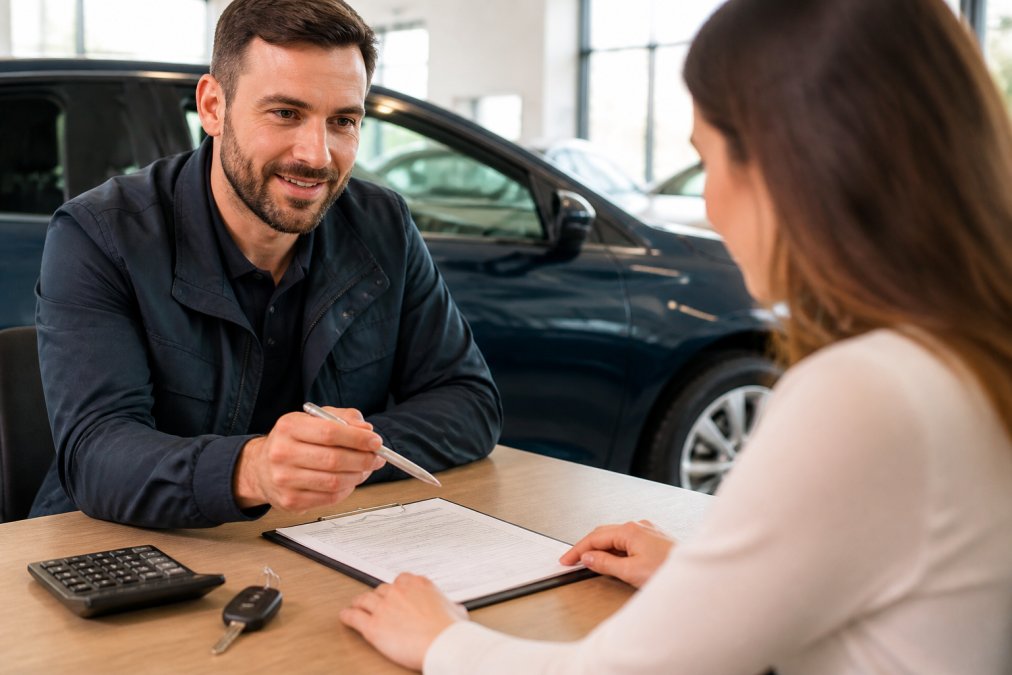
A fair trade-in value is the amount a dealership will pay for your current vehicle when you apply that amount toward the purchase of another car. It's different from what you might get if you sold the car privately, and it's calculated based on the vehicle's condition, mileage, age, market demand, and other factors specific to the dealer's inventory needs.
Trading in skips the hassle of selling privately, the dealer handles paperwork, title transfer, and sale in one transaction instead of two.
Your offer depends on whether the car fits the dealer's inventory needs and how much reconditioning it requires.
How Trade-In Value Is Calculated
Dealerships use market data, condition reports, and pricing models to determine your car's value, factoring in their costs and profit margin.
The Wholesale Value Floor
The wholesale value is what the dealer could sell your car for at auction. National auction houses like Manheim and ADESA set benchmarks based on actual sale data.
The Dealer's Profit Margin
Your trade-in offer is the wholesale value minus the dealer's costs and profit margin, typically 10-20% of resale potential.
The dealer must pay for reconditioning, lot holding costs, repair risk, and profit. If wholesale value is $12,000, the dealer might offer $10,200-$10,800 after accounting for reconditioning and profit margin.
Vehicle Condition Report
Mechanics inspect the engine, transmission, suspension, brakes, electrical systems, and interior, listing every repair needed. Each identified repair reduces your offer dollar-for-dollar.
A salvage, rebuilt, or branded title signals structural damage and reduces your offer by 20-40%, since many buyers and lenders avoid these vehicles.
Documented service history adds 5-10% to value because dealers can market the car as well-maintained.
Mileage and Age
Mileage is objective: a five-year-old sedan with 60,000 miles is worth significantly more than one with 120,000 miles. Depreciation is steepest in the first three years, then flattens.
Market Demand and Local Inventory
Market demand shifts constantly. A fuel-efficient compact car might be worth 15% more where gas prices spike; an SUV holds value better in family-oriented regions. Dealers track lot inventory closely, if they have six similar vehicles, they'll offer less; if they have none and demand is high, they'll offer more.
Factors That Hurt Trade-In Value
Mechanical problems are the biggest red flag. A slipping transmission, engine metal, or clunking suspension will drop your value by hundreds or thousands.
Accident history shows on vehicle history reports. Minor fender benders reduce value; major collisions requiring frame work cut value severely.
Cosmetic damage matters less than mechanical issues but still counts. Deep scratches, dents, cracked windows, and torn upholstery all reduce your offer.
Smoking and pet odors are costly to fix. Deep odors require interior replacement, which dealers factor into lower offers.
How to Negotiate Car Trade-In Value
Get multiple appraisals from at least two dealerships. Written appraisals give you a baseline and show what the market thinks your car is worth.
Know your car's condition honestly. Dealers will catch exaggerations, and transparency builds trust.
Separate the trade-in negotiation from the new car negotiation. Get a firm trade-in offer first, then negotiate the new vehicle price separately. This prevents dealers from lowering your trade-in to offset discounts.
Ask for a written appraisal. It locks in the number, lets you compare across dealerships, and protects you if the dealer tries to change the offer later.
Challenge lowball estimates. Ask what drove the number down, mechanical issues, cosmetic damage, or market conditions, so you can address or dispute it.
Time your trade-in strategically. End-of-month and end-of-quarter deals often offer better allowances, as dealers have quotas to meet.
Using Car Trade-In Value Estimator Tools
Online valuation tools like Kelley Blue Book and NADA Guides are estimates based on national averages, not appraisals. They generate a range, often $3,000 or more wide, because they don't know your car's true condition.
Use these tools to establish a baseline, not expectations. The actual appraisal depends on the dealer's inspection and inventory needs.
Local market matters more than national averages. An SUV worth $18,000 nationally might be 10% lower in your market if dealers have oversupply.
Check multiple tools. Cross-referencing different data sources gives a more complete picture.
Update your estimate regularly. Mileage changes every month. Seasonal demand shifts. A tool's estimate from three months ago is outdated. Run a fresh estimate right before you visit the dealership.
Preparing Your Vehicle for Appraisal
The condition your car is in when the appraiser inspects it directly affects your offer.
High-ROI Pre-Appraisal Checklist
Exterior (Budget: $50-$150)
- Wash and wax the entire vehicle. A clean car signals maintenance. Cost: $30-$60 at a local car wash. ROI: +$200-$400.
- Clean the wheels and tires with a tire brush and wheel cleaner. Dirty wheels are one of the first things appraisers see. Cost: $15-$25. ROI: +$100-$200.
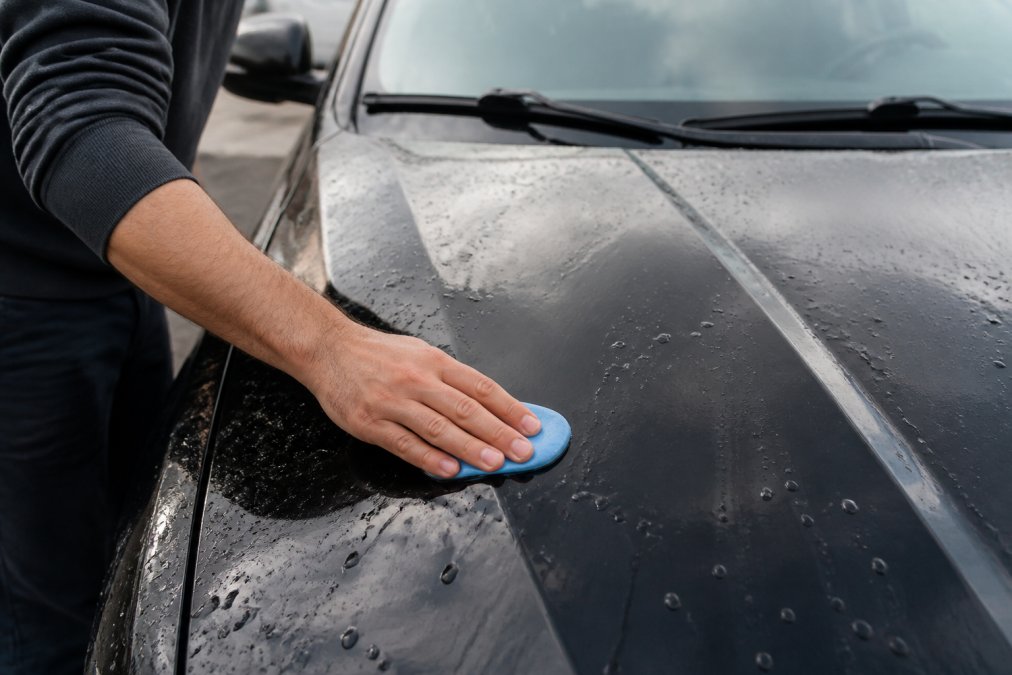
- Remove tree sap, tar, and road grime with a clay bar kit ($20). Appraisers inspect the paint closely. Cost: $20. ROI: +$150-$300.
- Touch up minor paint chips with a paint pen ($10-$15) if they're small. Deep scratches that go to bare metal are harder to fix and should be left for the dealer. Cost: $10-$15. ROI: +$100-$200.
- Replace any burned-out exterior lights (headlights, taillights, brake lights). A burned-out light is a safety issue and costs $50-$100 to replace at a dealership. Cost: $30-$60 DIY or $50-$100 at a shop. ROI: +$200-$400.
Interior (Budget: $30-$80)
- Vacuum all seats, carpets, and floor mats thoroughly. Remove pet hair, crumbs, and debris. Cost: Free if you do it yourself; $50-$100 if you use a detail service. ROI: +$200-$400.
- Clean the dashboard, steering wheel, and door panels with appropriate cleaners. Wipe down all windows inside and out. Cost: $10-$20 in supplies. ROI: +$150-$300.
- Remove all personal items, trash, and clutter. An empty, organized interior looks larger and better maintained. Cost: Free. ROI: +$100-$200.
- Replace floor mats if they're stained or worn ($30-$50). New mats are cheap and make the interior look fresher. Cost: $30-$50. ROI: +$150-$300.
- Clean or replace the air filter if it's visibly dirty ($15-$40). A clean filter is a quick win that shows maintenance. Cost: $15-$40. ROI: +$100-$200.
Mechanical (Budget: $50-$200)
- Top off all fluid levels: oil, coolant, brake fluid, windshield washer. Low fluids signal poor maintenance. Cost: $20-$40. ROI: +$150-$300.
- Replace windshield wipers if they're streaking or worn ($20-$40). Appraisers test them during inspection. Cost: $20-$40. ROI: +$100-$200.
- Check tire tread depth. If tires are worn but legal (above 2/32 inch), note it. If they're below 4/32 inch, replacement ($400-$800) might be worth it if your car is otherwise in good condition. Cost: $400-$800. ROI: Varies; often breaks even or adds $200-$400 to offer.
- Ensure all lights work: interior dome light, dashboard lights, turn signals. Cost: $20-$50. ROI: +$100-$200.
- Get a pre-purchase inspection from a trusted independent mechanic ($100-$200) if you want to know exactly what the dealer will find. This prevents surprises and lets you decide whether to fix issues or accept a lower offer. Cost: $100-$200. ROI: Priceless for negotiation confidence.
Documentation (Budget: Free)
- Gather all service records, maintenance receipts, and warranty documentation. A car with a documented service history is worth 5-10% more because buyers trust it was maintained properly. Cost: Free. ROI: +$300-$600.
- Compile the vehicle's title and registration. Have them ready to show the appraiser. Cost: Free. ROI: Prevents delays.
What NOT to Do
Timing Your Appraisal
Trade-In Value vs. Private Party Value
Understanding the difference between these two valuations helps you make the right choice about how to sell your car.
Conclusion
A fair trade-in value is built on three pillars: honest condition assessment, accurate market data, and transparent dealer pricing. You can't control what the market pays, but you can control how well you prepare your car and how confidently you negotiate.
Frequently Asked Questions
How do I figure out my trade-in value?
Start by gathering your vehicle's details: year, make, model, mileage, and condition. Use car trade-in value estimator tools online to get a baseline range based on market data. Then have a dealer perform a formal appraisal, which includes a physical inspection. Your vehicle history report and maintenance records support a higher valuation. The appraisal process typically takes 30 minutes to an hour.
What factors most significantly impact a car's trade-in value?
Mileage, age, and condition are the biggest drivers. A vehicle's market value and depreciation rate depend heavily on these three. Vehicle history, accidents, title status, and service records, also matters greatly. Supply and demand for your specific make and model in the current market affect what dealers will pay. Mechanical condition and cosmetic damage directly reduce your trade-in allowance.
Can you haggle trade-in value?
Yes. While dealers use market data and appraisal reports to set initial offers, negotiation leverage exists. Bring documentation of comparable vehicles, your maintenance records, and recent repair receipts. If you have multiple appraisals from different dealers, you can use those to negotiate. Being prepared and knowing the wholesale value of your vehicle strengthens your position when negotiating with the dealer.
Is trade-in value the same as private party value?
No. Private party value is typically 10-20% higher because you're selling directly to a consumer rather than to a dealer. Trade-in value is lower because dealers must account for reconditioning, overhead, and dealer inventory costs. Auction value (wholesale value) is the lowest, what dealers pay at auction. Understanding these differences helps you decide whether trading in or selling privately makes more financial sense.
When you're ready to trade in your vehicle and find your next car, Buy & Buy Auto Sales makes the process straightforward. We provide transparent appraisals, flexible financing options regardless of credit history, and no hidden fees. Get pre-qualified in minutes and drive home with confidence. Apply now to get started.