 How-to
How to Find Used Cars for Sale Near Me: A Step-by-Step Guide
Last Updated: November 17, 2026
Quick Summary
To find used cars for sale near you, first set your monthly budget, must-have features, and credit picture, then search local inventory with a 10 to 25 mile radius and hard filters for price, mileage, and title status. Shortlist five to eight vehicles, run a history report, and get an independent inspection before you buy.
- Add the car payment, insurance, fuel, and maintenance to set a realistic monthly budget first.
- Start with a 10 mile search radius, then widen to 25 and 50 miles if results are thin.
- Filter out salvage and rebuilt titles before spending time traveling to see any car.
- Save five to eight vehicles to compare instead of reacting to the first listing.
- Get an independent mechanic inspection before you buy, even for a car that looks clean.
Table of Contents
- Start With Your Budget, Needs, and Credit Picture
- Search Local Inventory and Set Your Search Radius
- How to Check a Used Car's History Before You Visit
- Used Car Inspection Checklist for Your Visit
- Most Reliable Used Cars Under $10,000 to Shortlist
- Used Cars With Warranty and How to Confirm Coverage
- Book Your Test Drive and Review Financing With Buy & Buy Auto Sales
- Frequently Asked Questions
Start With Your Budget, Needs, and Credit Picture
Finding a used cars for sale listing near you starts before you open a single listing. Know what you can spend each month, what you need the vehicle to do, and where your credit stands. That combination decides which cars make sense to shortlist.
Begin with a real monthly number. Add the car payment, insurance, fuel, and routine maintenance, then work backward to a price. Our step-by-step car budget guide walks you through each line item. Many first-time buyers skip this step and fall in love with a vehicle they cannot comfortably afford. Our first-time buyer guide to the best used cars covers which models suit a beginner's needs and finances.
Next, list your non-negotiables. Do you need seating for a family, enough cargo room for a daily commute, or good fuel economy? Write them down so a pretty car with the wrong layout does not pull you off course.
Check your credit before you shop. Pull your free reports at AnnualCreditReport.com, the official site for free credit reports and look for errors. Knowing your situation makes financing conversations faster and less stressful.
Search Local Inventory and Set Your Search Radius
Most online marketplaces and dealer websites let you enter a ZIP code and a search radius. A 10 to 25 mile radius is a reasonable starting point for most shoppers. Start narrow, then widen the search if results are thin. A wider radius often shows more options, but factor in travel time and the cost of a return trip if the car does not pass inspection.
Here is a practical search process you can follow:
- Set your hard filters first, maximum price, maximum mileage, body style, and drivetrain. These are the criteria you will not bend on.
- Enter your ZIP code and start with a 10 mile radius. Note how many results meet your hard filters.
- Widen to 25 miles, then 50 miles, and compare the count. If the count barely moves, the market near you is thin and you should widen further or adjust a filter.
- Sort by distance, then by price, then by mileage. Look for the overlap, cars that are close, fairly priced, and not over-driven.
- Save or favorite five to eight vehicles. A shortlist forces you to compare rather than react to the first shiny listing.
Filter by Make, Model, Price, and Mileage
Filters turn a long list into a manageable shortlist. Set your maximum price first, then narrow by make and model. Reliable brands and models with a track record are a good place to start for a first purchase.
Mileage matters as much as age. A three-year-old car with low miles can be a better buy than a newer car with heavy use. Use the mileage filter to exclude vehicles that will need major service soon. Also filter by title status when the site allows it, a clean title filter removes salvage and rebuilt listings before you waste time on them.
Compare Dealerships, Private Sellers, and Online Marketplaces
Each seller type has trade-offs. Dealerships often handle financing and paperwork for you, while private sellers typically do not provide financing or post-sale protection. Online marketplaces widen your choice but raise scam risks.
A neutral way to choose: if you need financing or a warranty, start with dealerships and certified pre-owned programs. Our dealership versus private seller comparison for used trucks near Columbus lays out the trade-offs side by side. If you have cash and mechanical confidence, private sellers can stretch your budget. If you want the widest selection, use marketplaces to find candidates, then verify the seller before you commit.
Watch out: a listing that is priced far below similar cars in the same radius is usually a bait listing, not a bargain. Our guide to finding reputable car dealerships explains how to judge a dealer's trustworthiness before you visit. Compare at least five similar vehicles before you treat any price as real.
Check Availability and Distance Before You Drive
Before you travel, confirm the car is still available and ask for the stock number. Ask the seller about delivery or purchase options, and get the out-the-door price in writing. If you are buying from a private seller, confirm the meeting location is public and that the title is in the seller's name.
Here is a quick summary of the search steps and the radius and filter guidance covered in this section.
| Step | What to do | Time or frequency |
|---|---|---|
| 1 | Set hard filters: max price, max mileage, body style, drivetrain | Before searching |
| 2 | Enter ZIP code, start with a 10 mile radius | First search |
| 3 | Widen to 25, then 50 miles and compare counts | If results are thin |
| 4 | Sort by distance, then price, then mileage | Review step |
| 5 | Save or favorite five to eight vehicles | Shortlist stage |
How to Check a Used Car's History Before You Visit
A vehicle history report reveals title problems, accident records, odometer issues, and service history. Run one before you spend time traveling to see a car. You can purchase reports from the National Motor Vehicle Title Information System, the federal source for title records.
Read the report in this order:
- Title status. Look for clean, salvage, rebuilt, flood, or lemon branding. A branded title usually means a past insurance total loss, and it can affect financing and resale value.
- Odometer readings. Check that mileage rises consistently across inspection and registration events. Jumps backward or long gaps are red flags.
- Accident and damage records. Minor cosmetic repairs are common; structural or airbag deployment records deserve a closer look and a mechanic's opinion.
- Service history. Regular oil changes and scheduled maintenance suggest an owner who cared. A blank service history is not proof of neglect, but it means you must inspect harder.
- Ownership pattern. A car with many owners in a short time can signal recurring problems. A single long-term owner is usually a safer bet.
Ask the seller for the report if they have one, and compare it with the VIN on the dashboard and door jamb. A seller who refuses to share history information or whose VIN does not match the listing is a warning sign.
Watch out: title washing, moving a salvage car across state lines to get a clean-looking title, is a known scam. If the price is far below market and the title was recently reissued in another state, walk away or verify the brand with the state motor vehicle agency before you pay anything.
Verify the Seller and Protect Yourself
Before you meet, ask for the seller's name on the title and confirm it matches their ID. Never send a deposit by wire transfer, gift card, or payment app before you have seen the car in person. Meet in a public place during daylight, bring a friend, and complete the sale with a bill of sale and a title transfer at the state motor vehicle office. If a seller pressures you to pay before an inspection, treat that as a stop sign, not a sales tactic.
Used Car Inspection Checklist for Your Visit
A thorough inspection catches problems a listing will not mention. Bring a flashlight, a notepad, and a friend if you can.
- Check tire tread depth and look for uneven wear.
- Look for fluid leaks under the car and check oil and coolant levels.
- Test every light, the horn, windows, locks, and the air conditioning.
- Inspect the body and paint for mismatched color, which can signal past repairs.
- Start the engine cold and listen for knocking, squealing, or rough idling.
- Take a test drive on local roads and the highway, braking firmly and listening for noise.
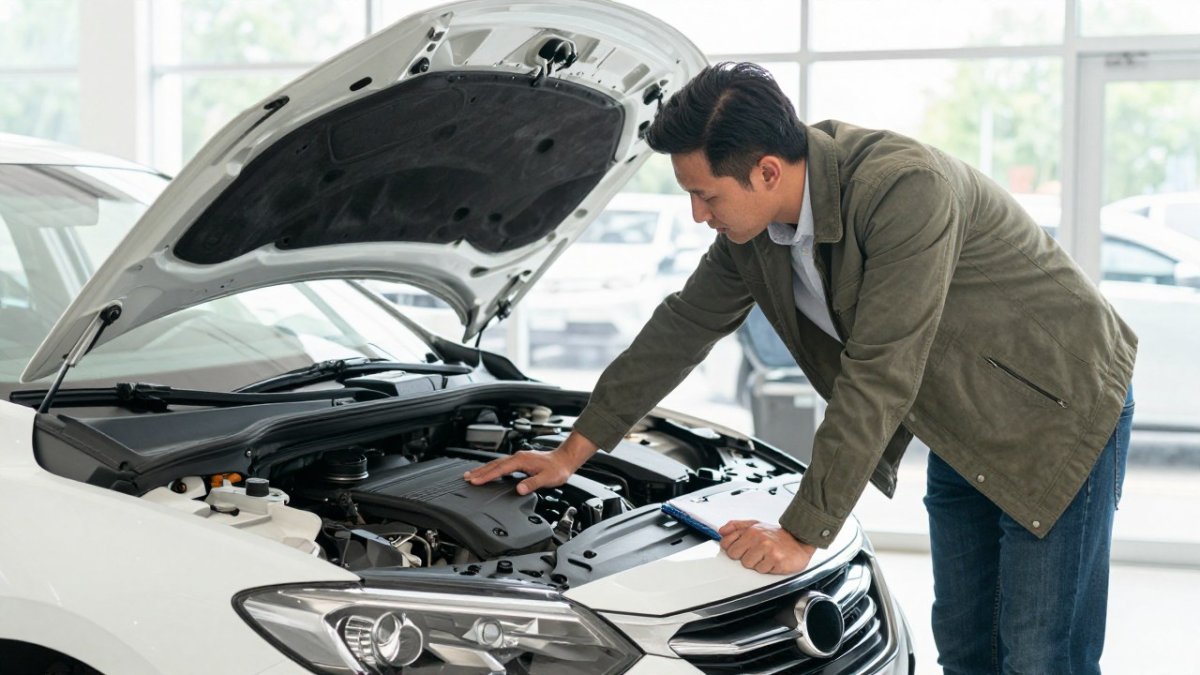
Ask for an independent mechanic inspection before you buy. Most shops charge a modest fee, and it can save you from an expensive repair.
Most Reliable Used Cars Under $10,000 to Shortlist
Reliability varies by model year and maintenance history, so use current owner reviews and independent ratings from Consumer Reports vehicle reliability ratings to compare options. Compact sedans and small SUVs from established brands often fit a sub-$10,000 budget and hold up well with routine care.
Focus on cars with complete service records. A well-documented vehicle is usually a safer bet than a cheaper one with unknown history.
Used Cars With Warranty and How to Confirm Coverage
Some used cars still carry the manufacturer's remaining warranty, and certified pre-owned programs may add extra coverage. Ask the seller for written warranty terms and confirm what is covered, for how long, and whether a deductible applies.
Get the warranty in writing before you sign. Verbal promises do not protect you after you drive off the lot.
Book Your Test Drive and Review Financing With Buy & Buy Auto Sales
Choosing the right used cars for sale near you is easier when the process is clear and the team is straightforward. Buy & Buy Auto Sales offers financing options regardless of credit history, no hidden fees, and down payment flexibility with flexible terms. You can get pre-qualified in minutes. Visit Buy & Buy Auto Sales today to start your search.
Frequently Asked Questions
How do I know if a used car's history report is trustworthy?
Run the VIN through a reputable vehicle-history service and compare the report with the car itself. Check that the odometer reading matches, that title brands such as salvage or flood are disclosed, and that the service and ownership records line up with the seller's account. A clean report does not replace a pre-purchase inspection by an independent mechanic, but a report showing accidents, title problems, or inconsistent mileage is a reason to walk away.
What should I look for during a used car inspection?
Start with the tires, brakes, fluid levels and colors, and any warning lights on the dashboard. Look for uneven panel gaps or fresh paint that may signal past collision repair, and check the undercarriage for rust or leaks. Take a test drive on both city streets and a highway, listening for unusual noises, pulling to one side, or rough shifting. Bring a checklist so you do not skip steps under pressure.
Can I find a reliable used car for under $10,000?
Yes, though availability varies by model year and mileage. Focus on models with a strong reliability record and a history of consistent maintenance, and prioritize cars with complete service records over lower mileage alone. Expect to compare several options, and have any car you are seriously considering inspected before you pay.
Do used cars come with a warranty?
Some do. Certified pre-owned programs and some dealer-backed plans include a limited warranty, while many used cars are sold as-is. Ask for the warranty terms in writing, including what is covered, how long it lasts, and whether it is backed by the manufacturer or the dealer. Read the coverage exclusions before you sign.