 Comparison
Are Cheap Used Cars Worth Buying? What to Check First
Quick Summary
Cheap used cars can be worth buying, but only after you check their history, condition and full cost of ownership. The sticker price alone does not tell you whether a car is a bargain. A clean vehicle history report, a pre-purchase inspection and a realistic repair budget will show whether a low price hides costly problems.
- Run a vehicle history report using the 17-character VIN before test-driving.
- Watch for salvage or flood titles and odometer readings that go backward or skip.
- Get an independent mechanic to complete a pre-purchase inspection and written report.
- Compare total cost of ownership, not just the monthly payment or sticker price.
- Walk away if the seller refuses an inspection or repairs would erase the savings.
Table of Contents
- Why Cheap Used Cars Attract Budget Buyers
- The Real Cost of a Cheap Used Car Over Time
- Using a Used Car Vehicle History Report Before You Buy
- High-Mileage Used Cars: When the Risk Is Worth It
- Why a Used Car Pre-Purchase Inspection Matters
- What Warranty Coverage a Used Car Should Include
- Pros, Cons and When to Walk Away From a Cheap Used Car
- Finding a Reliable Cheap Used Car at Buy & Buy Auto Sales
- Frequently Asked Questions
Are cheap used cars worth buying? For many shoppers in Columbus, Ohio, the answer is yes, but only if you check a few things before you sign. The honest answer depends on the car's age, mileage, history and condition more than its sticker price.
A low price can look like a bargain. It can also hide repair bills, weak reliability or a title problem. This guide walks through what to check first, so you can tell a genuinely good deal from a costly mistake.
Why Cheap Used Cars Attract Budget Buyers
Cheap used cars appeal to buyers because the purchase price is lower than new, and the monthly payment is often easier to fit into a tight budget. Depreciation, the drop in value that happens as a car ages, is the reason. The steepest losses hit a new car in its first few years, so a car that is a few years old has already absorbed much of that cost.
The Federal Trade Commission's Bureau of Consumer Protection has studied how consumers actually buy vehicles, and its research points to the importance of understanding the full transaction rather than focusing only on the headline price. The Auto Buyer Study: Lessons from In-Depth Consumer Interviews and Related Research
Affordable used cars are also in limited supply in many markets right now, which means shoppers may need to consider older models with higher mileage. New York Times coverage of the used-car market That tight supply is one reason a cheap car can look attractive, and one reason to slow down and check carefully.
The Real Cost of a Cheap Used Car Over Time
The sticker price is only the first line of the bill. Learn how to spot hidden fees that inflate the price. Total cost of ownership includes insurance, fuel, routine maintenance, tires, brakes, taxes and the repairs that tend to show up as a car ages. To judge whether a cheap used car is actually worth buying, compare the full cost over the period you plan to keep it, not just the day you drive it off the lot. Calculate a realistic car budget before you commit.
A practical way to do this is a break-even comparison using the same model and the same ownership period. Take a three-year-old used version and a new version of the same vehicle, then add up:
- Purchase price or the amount financed
- Interest paid over the loan term
- Insurance premiums (older cars often cost less to insure, but check before assuming)
- Fuel costs based on the EPA combined mpg rating for each model year
- Routine maintenance (oil changes, tires, brakes, fluids)
- Expected repairs, weighted by the model's reliability record and the car's mileage
- State and local taxes and registration fees
- Resale value at the end of your ownership period
The break-even point is where the used car's lower purchase price and lower depreciation are no longer enough to offset its higher repair risk and financing costs.
Watch out: a low monthly payment stretched over a long loan term can cost far more in interest than the lower price saves you. Always compare the total amount paid, not only the monthly figure.
Pricing comparisons matter too. Kelley Blue Book offers a free Fair Purchase Price tool that helps you judge whether a used car's asking price is in line with the market before you make an offer. Kelley Blue Book car prices and Fair Purchase Price tool
Using a Used Car Vehicle History Report Before You Buy
A vehicle history report shows what a car has been through: title records, reported accidents, odometer readings, service events and whether the car was ever a total loss. Learn how trade-in and ownership history can reveal what to look for. It is the fastest way to catch a salvage title or a mileage discrepancy before you spend time test-driving.
Run the VIN, the 17-character number found on the dashboard near the windshield and on the driver's door jamb. Look for these red flags:
- A salvage, rebuilt or flood title
- Odometer readings that go backward or skip
- Multiple owners in a short period
- Reported structural or frame damage
- Gaps in service records on a car with high mileage
A clean report does not guarantee a good car, since some problems are never reported.
High-Mileage Used Cars: When the Risk Is Worth It
A high-mileage car is not automatically a bad buy. Many vehicles with well-documented maintenance and a steady service history run well past 150,000 miles. The risk comes from the unknowns: how the car was driven, whether major services were done and what wear items are close to failing.
Consider a higher-mileage car when:
- The service records are complete and show regular oil changes and major services
- The price reflects the mileage, and the gap to a lower-mileage car is wide enough to cover likely repairs
- The model has a strong reliability record for its age
- You plan to pay cash or keep the car for a short period, so the repair budget is easier to manage
Walk away when the seller cannot document maintenance and the car has a history of expensive, recurring repairs.
Why a Used Car Pre-Purchase Inspection Matters
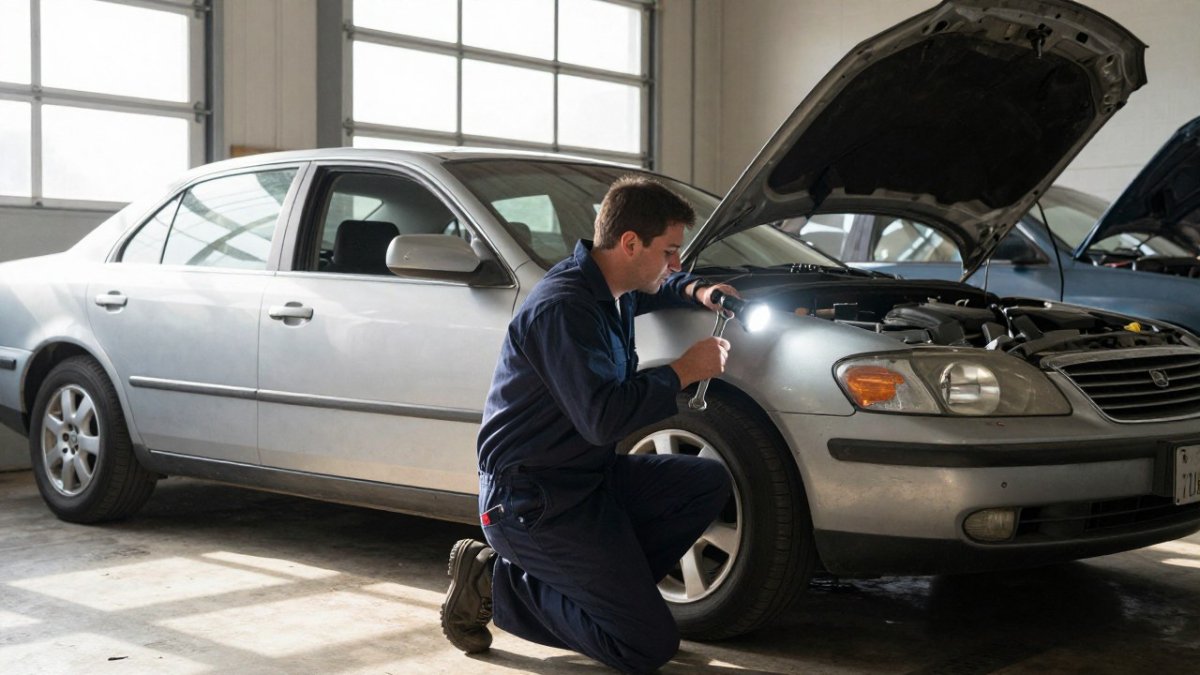
A pre-purchase inspection by an independent mechanic is one of the most useful steps a buyer can take. Follow this step-by-step guide to checking used car reliability before you commit. A mechanic can check the engine, brakes, suspension, tires, cooling system and frame, and can spot leaks or warning signs that a test drive will miss. It usually costs far less than a single unexpected repair.
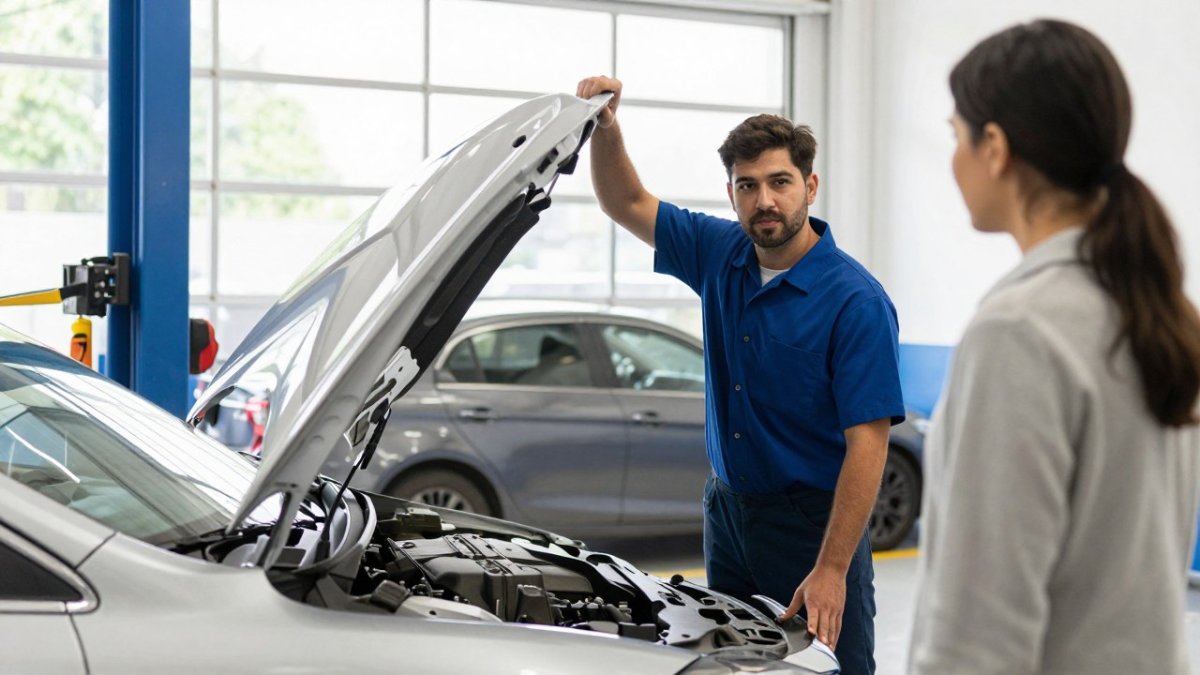
Ask the mechanic to focus on known weak points for that model, and request a written report. Use the findings to negotiate the price or to decide whether to walk away.
What Warranty Coverage a Used Car Should Include
Many cheap used cars are sold without a factory warranty, so coverage needs a closer look. Compare certified pre-owned and third-party warranties in depth. The protection you get depends heavily on where you buy, and that difference can change whether a low price is really a bargain.
Private-party sales. In most private-party transactions, the car is sold as-is unless the seller offers a written guarantee. You get no dealer warranty and limited recourse if something fails after the sale. That is why a pre-purchase inspection and a vehicle history report matter even more in this channel.
Dealer sales. Independent and franchise dealers may offer a limited powertrain warranty or an optional service contract. Ask for the full contract in writing and check which components are covered, the deductible, and whether repairs must be done at a specific shop.
Certified pre-owned programs. CPO cars usually must meet age and mileage limits and pass a multi-point inspection. In exchange, they often include an extended factory-backed warranty and roadside assistance. The trade-off is a higher price than a comparable non-certified car, so compare the coverage value against that premium.
When comparing any coverage, check:
- Which components are covered, and whether the list is "powertrain only" or broader
- The deductible and whether repairs must be done at a specific shop
- The length of coverage, in months or miles, whichever comes first
- Whether the warranty is transferable and whether it can be cancelled for a refund
Coverage is only useful if you understand what it excludes, so ask for the full contract in writing before you pay for any add-on protection.
Pros, Cons and When to Walk Away From a Cheap Used Car
Pros of a cheap used car:
- Lower purchase price and often lower insurance
- Depreciation has already done much of its work
- Good value on well-maintained, reliable models
Cons of a cheap used car:
- Higher risk of repairs as the car ages
- Less or no warranty coverage
- Hidden problems that only show up after the sale
Walk away when:
- The vehicle history report shows a salvage or flood title
- The seller refuses a pre-purchase inspection
- The car has signs of frame damage or uneven tire wear
- The total cost of repairs would erase the savings
Here is a quick summary of the main pros, cons and warning signs covered above.
| Factor | Good sign | Warning sign |
|---|---|---|
| Vehicle history | Clean title, no reported accidents | Salvage or flood title |
| Odometer | Readings consistent over time | Readings go backward or skip |
| Seller attitude | Allows a pre-purchase inspection | Refuses an inspection |
| Frame and tires | No frame damage, even tire wear | Frame damage or uneven tire wear |
| Repair math | Savings exceed likely repairs | Repairs would erase the savings |
Finding a Reliable Cheap Used Car at Buy & Buy Auto Sales
At Buy & Buy Auto Sales in Columbus, we carry a range of quality new and pre-owned vehicles. We offer financing options regardless of credit history, no hidden fees, down payment flexibility and flexible terms, and you can get pre-qualified in minutes.
If you are a first-time buyer or working with a tight budget, we can help you find a cheap used car that makes sense over the long run. Apply Now to get started and see which vehicles fit your budget.
Frequently Asked Questions
Are cheap used cars worth buying?
Often, yes, but only if the car's condition matches its price. A low sticker price saves money at signing, yet repairs, higher insurance and a shorter remaining life can erase that savings. Compare the total cost of ownership over the years you plan to keep the car, not just the purchase price. A car with a clean vehicle history, a passing pre-purchase inspection and a realistic repair budget is far more likely to be a good buy than a bargain with unknown history.
What should I check before buying a cheap used car?
Start with the vehicle history report to look for accidents, title problems, odometer issues and service records. Then review the maintenance history for oil changes, timing belt service and brake work. Test drive the car on highways and in stop-and-go traffic, and check for warning lights, fluid leaks and uneven tire wear. Finally, have an independent mechanic complete a pre-purchase inspection before you agree to a price.
Should I get a pre-purchase inspection for a cheap used car?
Yes. A pre-purchase inspection by an independent mechanic is one of the most useful steps a budget buyer can take. For a modest fee, the mechanic can spot worn suspension parts, frame damage, engine leaks and upcoming repairs that a test drive will not reveal. The inspection report also gives you leverage to negotiate the price or walk away if the problems are serious.
What are the risks of buying a high-mileage used car?
High-mileage used cars often have more wear on the engine, transmission, suspension and braking systems. Parts may need replacement sooner, and the remaining service life is shorter. A high-mileage car can still be a sound choice if it has a documented maintenance history and passes a detailed inspection. Without those records, the risk of costly repairs rises quickly.