 Comparison
Are Used SUVs Worth Buying in Columbus, Ohio?
Quick Summary
Columbus shoppers can find a good suv for sale columbus in Ohio by comparing a few candidates side by side on price, mileage, model year, and total running costs. Used SUVs offer cargo room, higher seating, and all-weather capability without new-car prices. Always check the vehicle history report, inspect the SUV, and get the out-the-door price in writing.
- Ohio sales tax typically applies, so your out-the-door price may exceed the listed price.
- Compare three to five SUVs using the same columns for price, mileage, and model year.
- Lower mileage usually means more remaining life, but well-maintained higher-mileage SUVs can still be sound buys.
- Verify the VIN on the history report matches the dashboard and door jamb before you buy.
- Take a test drive on highways and city streets, and consider a pre-purchase inspection.
Table of Contents
- Why Shoppers in Columbus Are Looking at Used SUVs
- How to Compare Used SUVs Side by Side
- Reading a Used SUV Vehicle History Report
- Used SUV Inspection Checklist Before You Buy
- SUV Financing Options for Every Credit Situation
- Trade-Ins, Down Payments, and Total Deal Costs
- Finding Your Next SUV at Buy & Buy Auto Sales
- Frequently Asked Questions
Why Shoppers in Columbus Are Looking at Used SUVs
Last Updated: November 7, 2026
Columbus shoppers have plenty of choices when they search for a suv for sale columbus in Ohio. Searching online can make the process harder, not easier. Buyers often open a dozen tabs, compare dozens of listings, and still feel unsure which vehicle is actually the right one.
For many buyers, a used SUV is the best answer after searching for a suv for sale columbus in Ohio, because it hits the sweet spot.
Ohio also adds a cost you should plan for. Sales and use tax typically applies to motor vehicle sales, so your out-the-door number may be higher than the listed price. Ask for the full breakdown before you commit.
How to Compare Used SUVs Side by Side
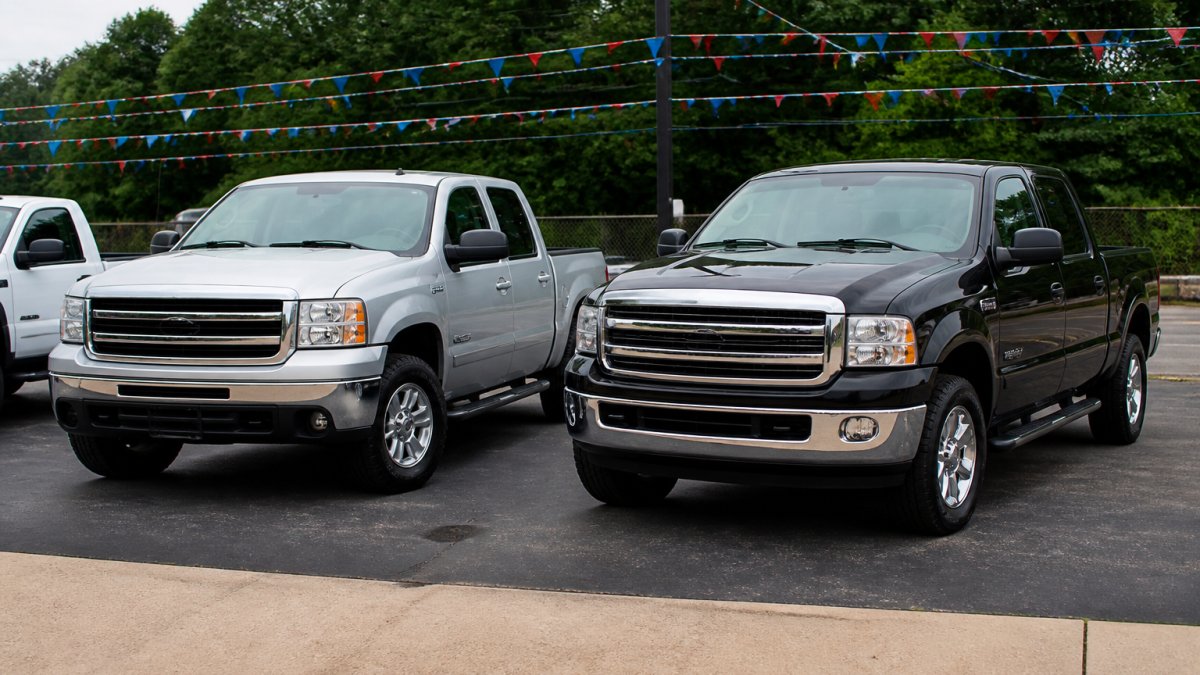
Comparing used SUVs works best when you hold every vehicle to the same yardstick. Pick three to five candidates, then score each one on the same factors: price, mileage, model year, reliability record, and expected running costs. A simple comparison sheet keeps you honest. List the asking price, the out-the-door estimate including tax and fees, the odometer reading, the model year, and the vehicle history report results. Use the same columns for every SUV so differences stand out fast.
Listing sites can make this easier by showing model, trim, mileage, and price in one place. Your comparison should focus on the trade-offs that matter to you, such as cargo space, fuel use, and features.
Price, Mileage, and Model Year
Price tells only part of the story. A newer SUV with higher mileage can cost less than an older one with low miles, and the right balance depends on how long you plan to keep the vehicle. Generally, a lower-mileage vehicle will have more remaining life, but a well-maintained higher-mileage SUV can still be a sound purchase. Model year matters because it affects safety features, warranty coverage, and depreciation. Newer models usually carry more advanced driver-assistance features, though the exact equipment varies by trim. Check the specific trim rather than assuming every SUV of the same year is equipped the same way.
Total Cost of Ownership
The purchase price is only the first expense. Total cost of ownership includes insurance, fuel, routine maintenance, tires, and repairs. A three-row SUV with a large engine may cost more to run than a compact crossover, even if both sell for similar prices. Ask for maintenance records when you can. Records show whether oil changes and major services were done on schedule, which often predicts how the vehicle will hold up over the next few years.
A Practical Side-by-Side Comparison
Most listings stop at the sticker price. A smarter approach is to build a side-by-side comparison that goes beyond the basics. Use a simple table with these columns: Vehicle, Asking Price, Estimated Out-the-Door, Fuel Economy (combined mpg), Cargo Space (cu ft), Seating, and Best For. Fill in the same columns for every candidate so the trade-offs are obvious.
Local Ownership Considerations
Winter driving in central Ohio means snow, ice, and road salt. All-wheel drive helps, but tires matter more. Budget for a set of winter tires if you commute daily. Parking in older neighborhoods can be tight, so a compact crossover may be easier to live with than a full-size SUV. Fuel costs vary with commute length; a hybrid SUV can cut monthly fuel spending if you drive a lot. Insurance rates also differ by model and trim, get quotes before you commit.
Transparent Price and Deal Methodology
A good deal is not just the lowest sticker price. Compare the asking price with the market value from sources like Kelley Blue Book or Edmunds. Factor in taxes, registration, dealer fees, and any add-ons. A vehicle priced slightly above market but with documented maintenance and new tires may be the better value. Always ask for the out-the-door price in writing before you negotiate.
Recommendations by Shopper Needs
Match the SUV to your daily life. Families with three or more kids should prioritize third-row access and cargo space behind the third row. Commuters should focus on fuel economy and comfortable seating. Budget buyers should look at older compact crossovers with strong reliability records. Towing needs point to body-on-frame SUVs with proper tow ratings. All-weather driving favors all-wheel drive and ground clearance. Write down your top three needs, then score each candidate against them.
Reading a Used SUV Vehicle History Report
A vehicle history report shows the past of the SUV you are considering. It typically lists title records, reported accidents, odometer readings, and ownership changes. Checking the report for each candidate is worth the time.
Start by confirming the VIN on the report matches the VIN on the vehicle, including the dashboard and door jamb. Then look for these items:
- Title brands, such as salvage, rebuilt, or flood damage
- Reported accidents and the severity noted
- Odometer history, checking for readings that go backward or long gaps between records
- Number of owners and how long each one kept the vehicle
- Service records, if the report includes them
A clean report does not guarantee a good vehicle. It only shows what was reported. Pair the report with a physical inspection before you buy.
Used SUV Inspection Checklist Before You Buy
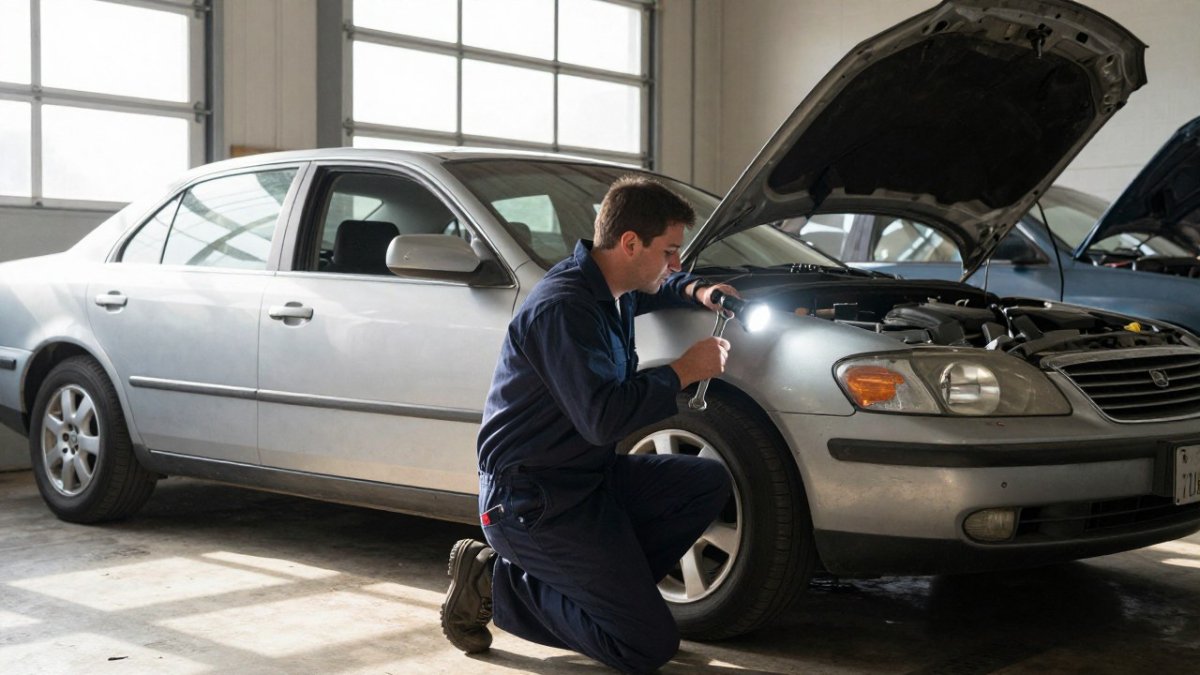
Walk around the SUV in daylight and inspect it carefully. Use this checklist:
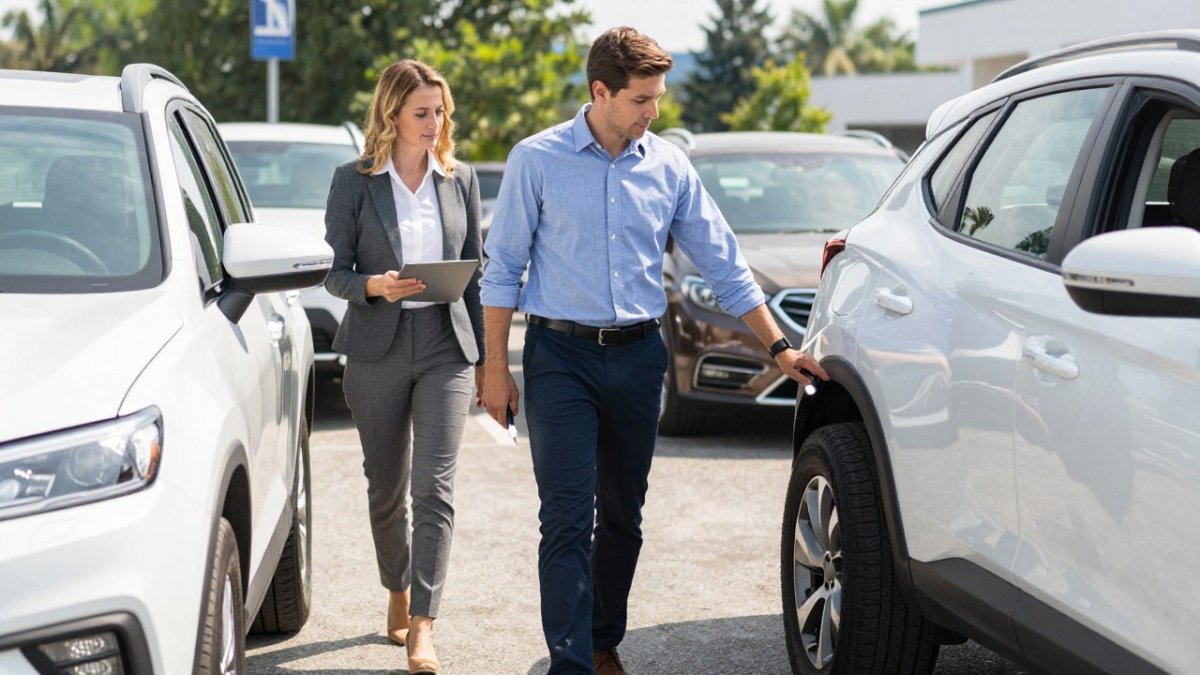
- Check tire tread depth and look for uneven wear, which can signal alignment or suspension problems
- Inspect body panels and paint for mismatched color, which may point to past repairs
- Look under the vehicle for fluid leaks and rust on the frame
- Open and close every door, the tailgate, and the power liftgate
- Test all lights, the wipers, the horn, and the climate controls
- Check the seats, carpet, and cargo area for water stains or musty odors
- Start the engine cold and listen for knocking, squealing, or rough idling
- Take a test drive on both city streets and highways, braking firmly and turning at low speed
Watch out: skipping the test drive is the most common mistake buyers make. Vibration at highway speed or a pull to one side can point to costly problems that no listing will mention.
For a deeper check, consider a pre-purchase inspection by an independent mechanic. The cost is small compared with an unexpected transmission or engine repair.
Questions to Ask the Seller
Before you visit, ask the seller these questions: How many owners has the vehicle had? Do you have maintenance records? Has it been in any accidents? Are there any warning lights on? When were the tires last replaced? Is the title clean and in your name? Can I take it to my mechanic for an inspection? The answers will tell you a lot about how the vehicle was cared for and whether the seller is straightforward.
Vehicle History Report Guidance
A vehicle history report is a starting point, not a guarantee. Order a report from a reputable provider and review it for title brands, reported accidents, odometer readings, and ownership history. Cross-check the VIN on the report with the VIN on the dashboard and door jamb. If the report shows gaps or inconsistencies, ask the seller for an explanation. A clean report does not replace a physical inspection.
Local Test-Drive Route
Take the SUV on a route that mimics your daily driving. Include a stretch of highway to check for vibration and merging power, a few tight parking lot maneuvers, and a rough patch of road to listen for suspension noise. If possible, drive it on a cold morning to see how it starts and how the heater and defroster perform. In central Ohio, winter driving is a reality, so test the all-wheel-drive system if equipped.
SUV Financing Options for Every Credit Situation
Financing works differently for every buyer. Our guide on documents needed for used car financing lists what lenders typically ask for.
Buyers with credit challenges often wonder whether anyone will approve them. Options can include financing arranged through the dealer. If your credit is weak, learning how to get approved for a bad credit auto loan can help you prepare a stronger application.
Whatever path you choose, compare the annual percentage rate, the loan term, and the monthly payment together. A lower payment stretched over a longer term can cost much more in total interest.
Trade-Ins, Down Payments, and Total Deal Costs
A down payment reduces the amount you borrow, which lowers your monthly payment and total interest. A trade-in can serve as part of that down payment. Our step-by-step guide to a fair trade-in value walks through that process.
Negotiation matters too. Going in with a target price and knowledge of the market puts you in a stronger position. Our tips on how to negotiate a car price at a dealership cover the approach in detail.
Always review the full deal before signing. Confirm the vehicle price, trade-in credit, documentary fees, sales tax, and any add-ons.
Here is how the main costs and deal levers compare when you shop for a used SUV.
| Factor | What it does | Note |
|---|---|---|
| Down payment | Lowers the amount you borrow | Reduces monthly payment and total interest |
| Trade-in | Can serve as part of your down payment | Check its value from several sources first |
| Loan term | Sets how long you repay | Longer terms can cost more in total interest |
| Annual percentage rate | Sets the cost of borrowing | Compare it alongside the monthly payment |
| Sales tax | Adds to the out-the-door price | Ohio sales tax typically applies to vehicle sales |
| Documentary fees and add-ons | Raise the final total | Confirm every line before signing |
Finding Your Next SUV at Buy & Buy Auto Sales
Buying a used SUV should feel straightforward, not stressful. At Buy & Buy Auto Sales in Columbus, Ohio, we offer a range of quality new and pre-owned vehicles, with financing options that work regardless of credit history, flexible down payment options, and flexible terms. You can get pre-qualified in minutes, so you know your options before you visit.
If you are ready to compare the SUVs that fit your budget and daily needs, apply now with Buy & Buy Auto Sales and take the next step with confidence.
Frequently Asked Questions
What should I look for when buying a used SUV?
Start with the vehicle's mileage, model year, and maintenance records, then compare the asking price against similar listings in the Columbus area. Check for accident history, uneven tire wear, and fluid leaks. Ask the dealer whether the vehicle has been inspected and what the return or warranty terms are. Taking a test drive on local roads and highways will show how the engine, brakes, and transmission perform under normal driving conditions.
How can I compare used SUVs from different dealerships?
Put each option in a simple side-by-side list with model year, trim, mileage, asking price, and the documentary fee included in the advertised price. Sales and use tax typically applies to motor vehicle sales, so ask each dealer for the total out-the-door cost, not just the sticker price. Compare the vehicle history reports and inspection results for each candidate before deciding.
Should I get a used SUV inspected before buying?
Yes. A pre-purchase inspection by an independent mechanic can reveal worn brakes, suspension problems, or signs of past flood or collision damage that a test drive may miss. Ask whether the dealer allows you to take the vehicle to your own mechanic, and use the findings to negotiate the price or request repairs before you sign.
What financing options are available for used SUVs with credit challenges?
Financing depends on your income, down payment, and credit history. Some dealerships offer in-house or flexible financing designed for buyers with limited or damaged credit. Get pre-qualified before visiting so you know your likely payment range, and compare the annual percentage rate, loan term, and total repayment amount across offers before accepting one.