 Comparison
Used Car Dealership Reviews Columbus Ohio: 2026 Guide
Table of Contents
- Why Used Car Dealership Reviews in Columbus, Ohio Matter in 2026
- How to Compare Used Car Dealerships Without Getting Burned
- What to Look for in Used Car Dealership Reviews
- Used Car Dealership Complaints: What They Reveal and How Dealers Respond
- Your Used Car Inspection Checklist Before You Sign
- Questions to Ask When Buying a Used Car
- Financing, Trade-Ins, and What Happens After the Sale
- Conclusion
- Frequently Asked Questions
Last Updated: October 14, 2026
Why Used Car Dealership Reviews in Columbus, Ohio Matter in 2026
Shopping for a used car is stressful enough without wondering whether the dealer you're standing in will treat you straight. That's why used car dealership reviews columbus in Ohio have become the first stop for smart buyers.
Here's the reality: reviews are now the great equalizer in car buying. A dealership can run all the ads it wants, but a pattern of honest customer feedback is hard to fake.
This guide breaks down how to read used car dealership reviews columbus in Ohio like a pro, spot the red flags, and avoid getting burned.
How to Compare Used Car Dealerships Without Getting Burned
The biggest mistake buyers make is comparing dealers on price alone. What actually separates a dependable dealership from a headache is how they handle the whole transaction: the sales process, the paperwork, the financing, and what happens after you drive off the lot.
Start by comparing dealers on four things at once: review volume, average rating, how recent the reviews are, and how the dealership responds to criticism.

Review Volume, Rating, and Recency: Read All Three Together
A high rating on a handful of reviews means almost nothing. Volume shows a dealership has served enough people to be judged fairly. Recency tells you whether the current team is still doing good work. A dealership that was great three years ago but has gone quiet since is a different business now.
Read the most recent reviews first. If the last ten reviews mention slow service or surprise fees, the older glowing ones don't matter much.
Where Review Platforms Fall Short
Review platforms are useful, but none of them tells the whole story. Some sites verify purchases, others don't. Some businesses actively solicit only happy customers. A few platforms let dealers pay for placement, which pushes certain results up regardless of quality.
Cross-check at least two sources before you decide. The FTC guidance on endorsements and reviews explains how reviews and endorsements should be handled, which helps you spot the sketchy stuff.
What to Look for in Used Car Dealership Reviews
Reviews are only as useful as the details inside them. A review that says "great experience" tells you nothing. A review that says "the salesman explained every fee before I signed and stayed late to finish my paperwork" tells you a lot.
Look for reviews that mention specific people, specific vehicles, and specific outcomes. Those are the ones written by real buyers describing real transactions. Vague praise could come from anywhere.
The most valuable signals in a dealership review are:
- Transparent pricing mentioned by name, with no surprise charges at signing
- Sales staff who answered questions without pressure
- Financing options explained clearly, especially for buyers with credit challenges
- Vehicle history reports provided before purchase
Out-the-Door Costs and Fee Transparency
The out-the-door price is what you actually pay, and it's where dealerships differ most. Some dealers advertise a low sticker price, then add documentation fees, prep fees, and other charges at the finance desk.
When you read reviews, search for the words "hidden fees" and "surprise charges." If they show up repeatedly, treat that as a warning. Ask any dealer for the complete out-the-door number in writing before you visit.
Used Car Dealership Complaints: What They Reveal and How Dealers Respond
Complaints are more useful than praise. A one-star review tells you what can go wrong, and the dealership's response tells you how they handle problems. Every business gets complaints. The question is what happens next.
Most review pages lean hard on the praise and skip the complaints entirely. That's a mistake. The complaint section is where you learn the dealer's failure mode, and the response section is where you learn whether they fix it.
The Four Complaint Patterns That Matter Most
Across used-car reviews, the same handful of complaints show up again and again. Here's what each one actually signals, and what to check before you buy:
1. Financing surprises. A buyer is quoted one rate, then offered a worse one at signing. Sometimes it's a legitimate change in underwriting; sometimes it's a pressure tactic. The fix is simple: get the APR, the loan term, and the total amount financed in writing before you sit at the desk. If the numbers change at signing, ask why in writing.
2. Vehicles that develop problems right after purchase. This is the most common complaint category, and it's the one reviews can't fully protect you from.
3. Title and registration delays. A buyer pays in full, drives home, and then waits weeks or months for a title.
4. Post-sale silence. The salesperson who answered every call before the sale stops answering after.
How to Read a Dealer's Response to a Complaint
Read the dealer's replies carefully. A response that acknowledges the issue and offers a path to fix it is a good sign. A defensive reply that blames the customer is a red flag.
Here's a simple way to grade responses:
- Specific and accountable: Names the issue, states what the dealer did or will do, and invites the customer to contact a specific person. This is the best pattern.
- Generic apology: "We're sorry you feel that way." No fix, no ownership. Neutral signal.
- Defensive or blaming: Argues with the reviewer in public. Red flag, especially if it happens more than once.
- No response at all: On a recent, detailed complaint, this is a red flag. On an old, vague one, it means less.
A pattern of specific, accountable responses across several complaints is worth more than a perfect rating with no complaints at all. It tells you the dealer operates in public and stands behind the work.
What Complaints Can't Tell You
Complaints are a screening tool, not a verdict. A dealer with a few bad reviews may still be the right place to buy, and a dealer with none may simply be new or quiet. Use complaints to generate questions, then use the questions to get answers in writing.
Your Used Car Inspection Checklist Before You Sign
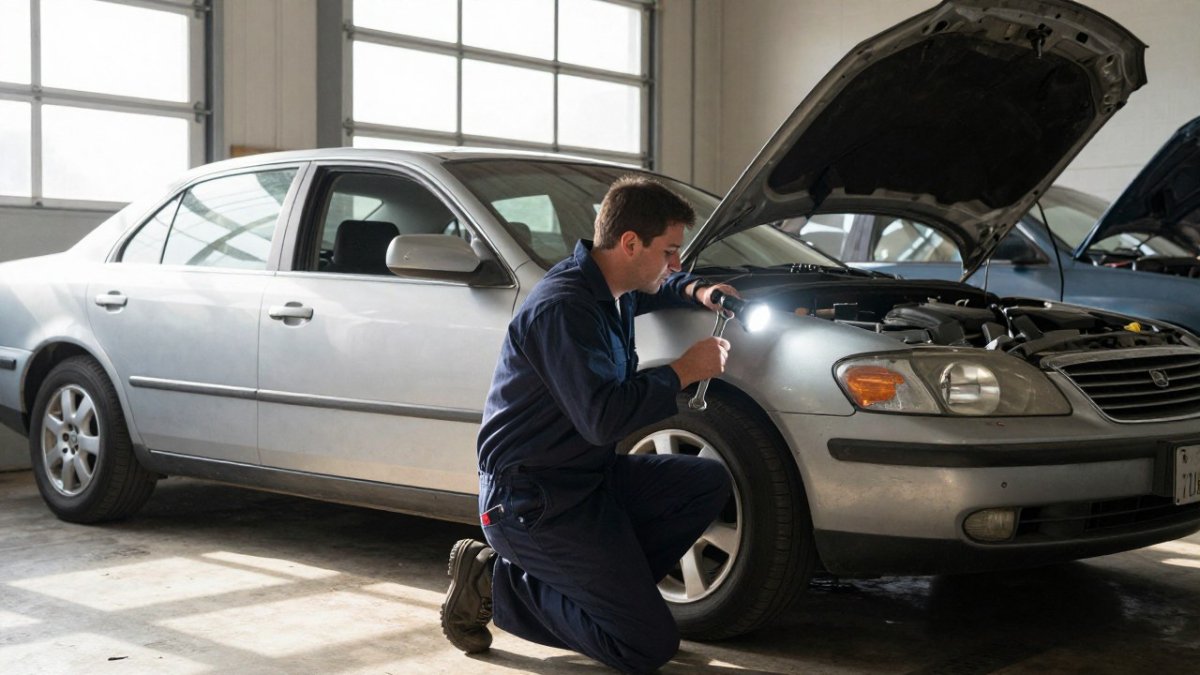
Never buy a used car without inspecting it, no matter how good the reviews are. Reviews tell you about the dealership. An inspection tells you about the specific vehicle you're about to own.
Use this checklist before you commit:
- Test drive for at least 20 minutes, including highway speeds
- Check the tires for uneven wear, which can signal alignment or suspension issues
- Look for rust, mismatched paint, or uneven panel gaps that suggest prior damage
- Test every feature: AC, heat, windows, locks, lights, infotainment
- Check for fluid leaks under the car after it sits for a few minutes
Independent Inspection and Vehicle History Reports
An independent inspection is worth the money. A mechanic who doesn't work for the dealership has no reason to hide anything. Many buyers skip this step to save time, then spend far more fixing problems a mechanic would have caught in an hour.
Vehicle history reports matter too. They show accidents, title issues, and past ownership. NHTSA's vehicle safety and recall lookup lets you check whether a specific vehicle has open safety recalls, which is information the seller may not volunteer.
Questions to Ask When Buying a Used Car
The right questions protect you more than any review can. Ask them before you talk numbers, and write down the answers.
- Can I see the complete out-the-door price in writing?
- Is there a vehicle history report, and can I keep a copy?
- What financing options do you offer, and what are the loan terms?
- Is there any warranty on this vehicle, and what does it cover?
- Can I have my own mechanic inspect it before I buy?
- What happens if a problem shows up in the first 30 days?
A dealership that answers all six without dodging is one worth working with. If any question makes them uncomfortable, that's your answer.
Financing, Trade-Ins, and What Happens After the Sale
Financing is where many buyers feel the most pressure, especially first-time buyers and anyone with credit challenges.
Trade-ins work the same way. Get your current vehicle appraised and ask how the value is calculated. A fair dealer explains the numbers.
After the sale, the relationship shouldn't end. A dependable dealership stays reachable for questions about title, registration, or warranty work.
Conclusion
Finding a used car you can trust starts with finding a dealership you can trust, and that means reading reviews with a critical eye, asking the right questions, and never skipping the inspection. The buyers who do this homework consistently get better vehicles and fewer surprises.
At Buy & Buy Auto Sales, we built our business around the parts of car buying that frustrate people most. We offer financing options regardless of credit history, no hidden fees, and down payment flexibility, so you can get pre-qualified in minutes and get behind the wheel faster.
Frequently Asked Questions
How can I tell whether a used car dealership is trustworthy?
Start with review volume and recency, not just the star rating. A dealer with 200 reviews over three years tells you more than one with 12 reviews from last month. Look for specific mentions of transparent pricing, no hidden fees, and how staff handled problems. Check the Better Business Bureau for accreditation and complaint history. Then verify in person: ask for the out-the-door price in writing, request a vehicle history report, and confirm the dealer will let an independent mechanic inspect the car before you sign.
What should I look for in used car dealership reviews?
Focus on patterns, not one-off reviews. Consistent praise for friendly staff, clear communication, and fast service signals a solid operation. Pay attention to how reviews describe the buying experience and financing process, since those are where most frustrations surface. Look for verified reviews when the platform offers them. Also read the negative reviews carefully: a dealer who responds professionally and resolves issues is often a better sign than a dealer with no complaints at all.
Should I get a used car inspected before buying it?
Yes. An independent inspection by a mechanic you choose costs far less than repairing a hidden problem. Ask the dealer whether you can take the vehicle to your own shop, and treat any refusal as a red flag. Pair the inspection with a vehicle history report to check for accidents, title issues, and odometer problems. A used car inspection checklist should cover tires, brakes, fluid leaks, electrical systems, and a test drive at highway speed.
What questions should I ask a used car dealer?
Ask for the out-the-door price including all fees and taxes, the vehicle history report, and whether the car has been in any accidents. Ask about financing options, the required down payment, and the loan term in writing. Confirm the return policy and any remaining warranty. Ask how long the process takes from test drive to keys. A straightforward dealer answers all of these without pressure, and puts the numbers in writing before you commit.
How do I compare used car dealerships in Columbus?
Build a shortlist of five or six dealers, then score each on the same criteria: review count, average rating, how recent the reviews are, how they handle complaints, inventory selection, financing flexibility, and fee transparency. Check the Better Business Bureau, Yelp, and CARFAX listings for each one. Visit in person and note whether the facility is clean and the staff answers questions directly. Comparing on identical criteria stops a single glowing review from skewing your decision.